

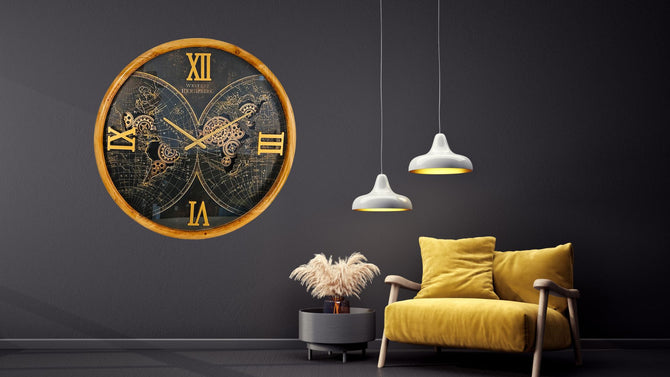










A wall clock is one of the few decorative objects that combines practicality with design. While its main purpose is to tell time, its visual presence can dramatically influence how a room feels and how balanced the space appears.
In many homes, wall clocks are not just functional tools anymore. They have become statement pieces that help define the character of a room. A well-chosen clock can transform a plain wall into a focal point, bringing structure and visual harmony to the entire space.
However, choosing the right wall clock involves more than simply picking a style you like. One of the most important factors to consider is size.
A clock that is too small can easily disappear into a large wall, making the room feel unfinished. On the other hand, a clock that is too large may overpower the surrounding furniture and disrupt the visual balance of the space.
The key is finding the right proportion between the clock, the wall, and the furniture around it.
When the size is correct, a wall clock does much more than display time. It becomes an integral part of the room’s design.
If you want to explore different styles of large decorative clocks, you can browse the full collection here:
https://www.thegearsclock.com/collections/all
Why Wall Clock Size Matters in Interior Design

Interior design is fundamentally about balance and proportion. Every element in a room interacts with the others to create a sense of harmony.
When designers plan a space, they carefully consider the relationship between furniture size, wall space, lighting, and decorative objects. A wall clock follows the same principles.
Because clocks are typically placed on large vertical surfaces, they naturally attract attention. This makes their size extremely important.
If a clock is too small, it will not fill the wall visually. The wall will still appear empty, even if the clock itself is attractive. In this situation, the clock fails to act as a focal point.
Large clocks, however, can anchor the room visually. They draw the eye and establish a clear center of attention.
This is why oversized clocks have become increasingly popular in modern interiors. Many homes today feature open layouts, tall ceilings, and large empty walls. These spaces benefit from decorative pieces that are bold enough to stand out.
Instead of hanging traditional artwork, many designers now use large wall clocks as statement pieces that combine design and functionality.
The Ideal Wall Clock Size for a Living Room
The living room is the place where wall clock size matters most.
Most wall clocks in living rooms are placed above a sofa, a fireplace, or a console table. Because these pieces of furniture are often quite large, the clock needs to be proportionate to them in order to look balanced.
Interior designers often use a simple guideline when selecting wall decor: the object should occupy approximately fifty to seventy percent of the width of the furniture below it.
For example, if your sofa is around two meters wide, a clock between eighty and one hundred twenty centimeters in diameter will usually look balanced.
This proportion helps create a visual connection between the clock and the furniture beneath it.
Large wall clocks between thirty-two and forty inches are particularly popular for living rooms because they provide enough visual presence to fill the wall while still leaving space around them.
That empty space around the clock is important. Designers often call this “breathing room.” It allows the clock to stand out and prevents the wall from feeling overcrowded.
Choosing the Right Clock Size for Different Rooms

Not every room requires the same clock size. The dimensions that work best depend on the room size, the wall space available, and the furniture layout.
In kitchens and smaller spaces, clocks between twelve and twenty inches usually work well. These rooms often have cabinets, shelves, and appliances that limit available wall space.
Bedrooms often benefit from medium-sized clocks between twenty and thirty inches. This size adds personality to the wall without becoming too visually dominant.
Living rooms, open-plan spaces, and large hallways often look best with clocks that are thirty-two inches or larger. In these environments, a larger clock helps balance the scale of the room.
Large clocks also work particularly well on walls that would otherwise feel empty or unfinished.
When the clock includes visible gears or mechanical elements, it can become an even more striking design feature.
You can see examples of statement-size gear clocks here:
https://www.thegearsclock.com
How Furniture Influences Clock Size
Another important factor when choosing a clock is the furniture placed below it.
A wall clock should not feel disconnected from the elements around it. When positioned above a sofa or console, it should visually relate to that piece of furniture.
If the clock is too small compared to the sofa, the wall may still feel empty.
If the clock is too large, it can appear overwhelming.
The most visually pleasing arrangement usually occurs when the clock feels centered and balanced above the furniture.
The vertical placement is also important. Designers typically recommend placing the clock about fifteen to twenty-five centimeters above the top of the sofa or console table.
This spacing creates a visual link between the clock and the furniture while still allowing the clock to stand out clearly.
The Importance of Wall Space Around the Clock
One mistake many people make when decorating with wall clocks is surrounding them with too many other decorative elements.
Shelves, frames, plants, and wall art can sometimes compete with the clock, reducing its visual impact.
For a clock to truly stand out, it needs some empty space around it.
Interior designers often suggest leaving at least fifteen to twenty-five centimeters of free wall space around the clock. This helps create a clean composition and ensures that the clock remains the focal point.
A clock placed on a completely empty wall can often be larger and more dramatic because nothing else competes for attention.
In contrast, a clock placed on a gallery wall or near shelves may need to be slightly smaller so the overall composition remains balanced.
Why Large Gear Wall Clocks Are So Popular

In recent years, wall clocks with visible moving gears have become extremely popular in interior design.
These clocks add something unique to a room: movement.
While most decorative objects remain static, gear clocks introduce subtle mechanical motion. The slow rotation of the gears creates a dynamic visual effect that many people find fascinating.
Watching the gears move can even feel relaxing or hypnotic.
From a design perspective, gear clocks also introduce interesting materials such as metal finishes, bronze tones, and industrial textures.
These materials contrast beautifully with softer elements like fabric sofas, rugs, and curtains.
Because of their mechanical character, gear clocks are often used in interiors that combine modern and industrial design styles.
They work particularly well in living rooms, offices, loft spaces, and open-concept homes.
Common Mistakes When Choosing a Wall Clock

One of the most common decorating mistakes is choosing a clock that is too small.
People often select smaller clocks because they seem easier to place. Unfortunately, this usually results in a wall that still feels empty.
Another common mistake is placing the clock too high on the wall.
When a clock is installed too far above the furniture, it breaks the visual connection between the clock and the rest of the room.
A third mistake is surrounding the clock with too many decorative objects.
If the clock is meant to be a focal point, it should be allowed to stand out clearly rather than competing with other decorations.
Choosing a clock with the right proportions and giving it enough space on the wall usually produces the most elegant result.
Final Thoughts

Choosing the perfect wall clock size is one of the easiest ways to improve the visual balance of a room.
When the proportions are correct, a wall clock can transform an empty wall into a focal point that ties together the entire space.
Large wall clocks are especially effective because they add structure, presence, and personality to a room.
When combined with visible gears or mechanical details, they also introduce movement and craftsmanship that ordinary decorations cannot provide.
Whether you prefer minimalist designs or bold industrial clocks, the key is always the same: match the clock size to the scale of the wall and the furniture around it.
When the proportions feel right, the clock becomes more than just a functional object. It becomes part of the atmosphere of the home.


